- Client
- Hotelogix
- Platform
- Node.js (SaaS)
- Industry
- Hospitality Software
- Scope
- SaaS platform + marketing website
- Live site
- hotelogix.com
Hotelogix is a cloud property-management system (PMS) trusted by hotels across the globe: front desk, housekeeping, rate management, channel distribution and reporting in one browser-based platform. Our engagement spanned both halves of the product — the Node.js SaaS platform itself and the WordPress marketing site that sells it.
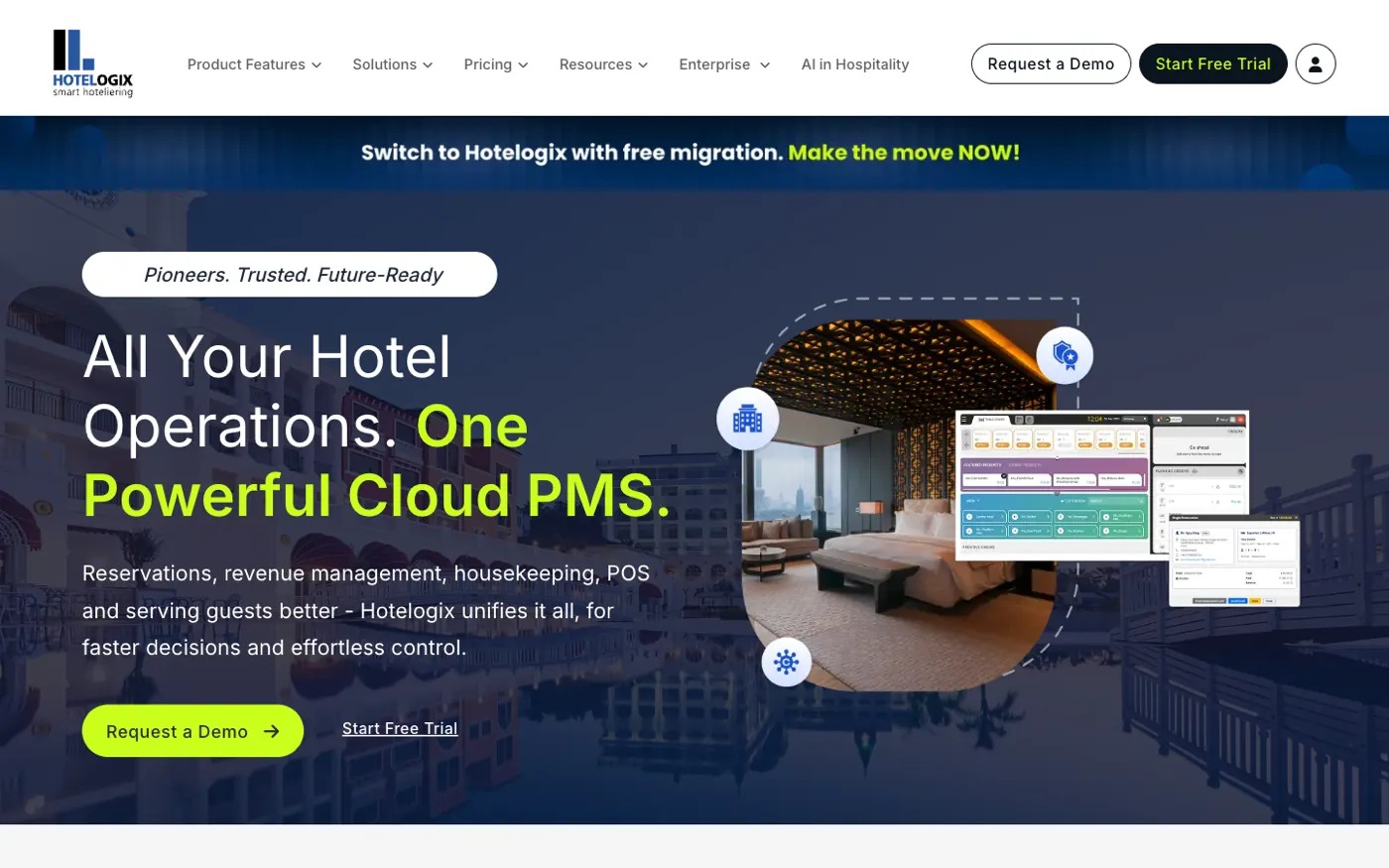
The Challenge: Software a Hotel Cannot Live Without
A PMS is a hotel's operational nervous system. If it stutters, a guest is kept waiting at check-in, a room gets double-booked, or tonight's rate never reaches the OTAs. That shapes the engineering brief in ways an ordinary web app never faces:
- Always-on operations — front desks run 24/7 across time zones; maintenance windows barely exist
- Real-time consistency — availability and rates must agree across the front desk, the booking engine and every connected OTA channel
- Multi-property scale — from a single guesthouse to hotel groups managing dozens of properties in one account
- An ecosystem, not an app — channel managers, payment gateways and accounting tools all plug into the core
What We Built
The Node.js Platform
We engineered the platform in Node.js — a choice made for exactly the workload a PMS carries: thousands of small, concurrent, I/O-bound operations. Check-ins, rate updates, channel syncs and report queries are all short bursts of database and API work, which Node's event-driven model handles with far less infrastructure than thread-per-request stacks. It is the same reasoning behind most of our Node.js development work, and the deep-dive on when we recommend it lives in our full-stack practice.
Booking Engine and Channel Distribution
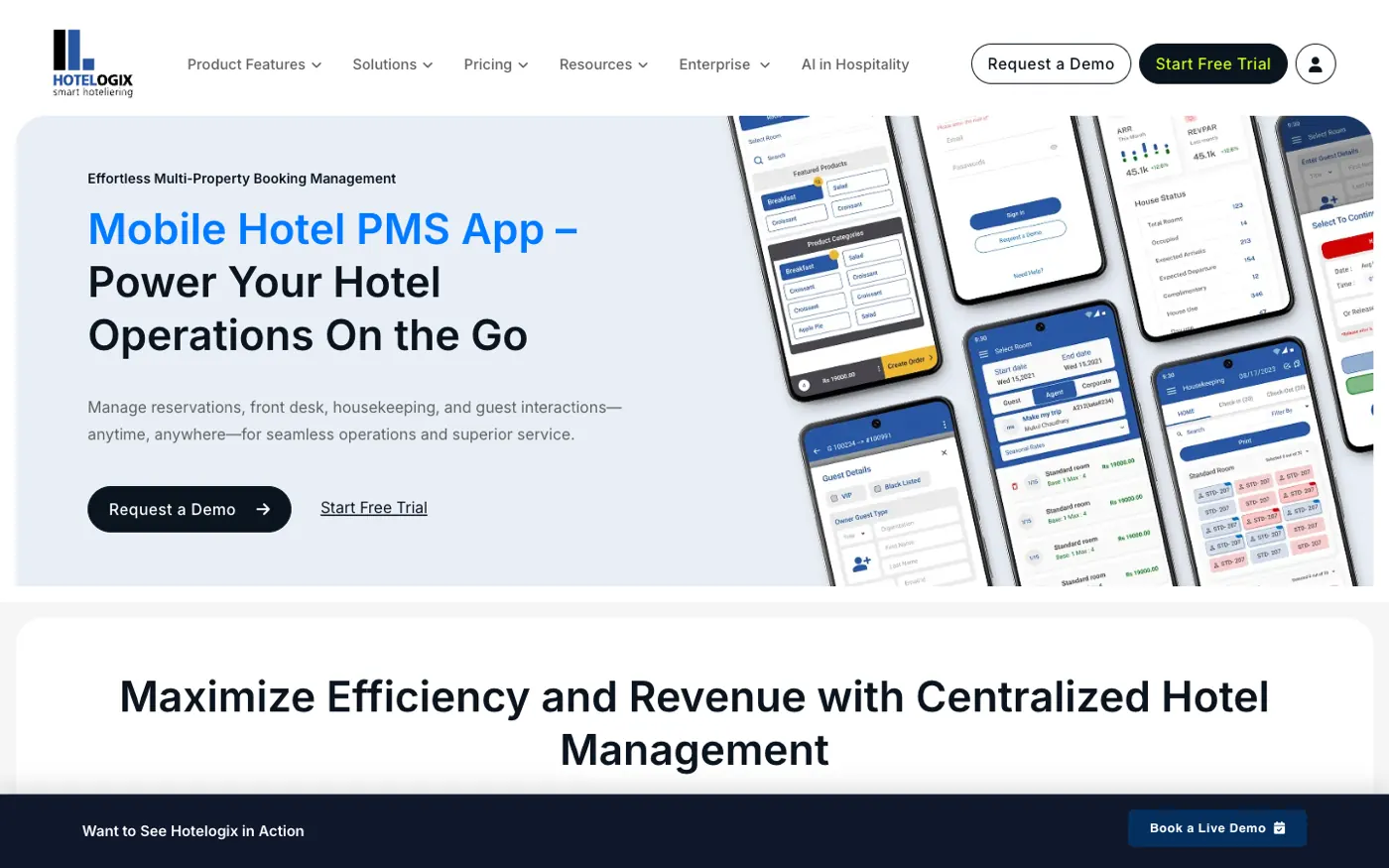
Two subsystems carry the revenue. The web booking engine gives hotels commission-free direct bookings on their own sites; the channel manager keeps rates and availability synchronised with OTAs. Both hang off the same inventory core, so a room sold anywhere is a room sold everywhere — the exact class of problem we solve in eCommerce development, transplanted to hospitality.
The SaaS Business Layer
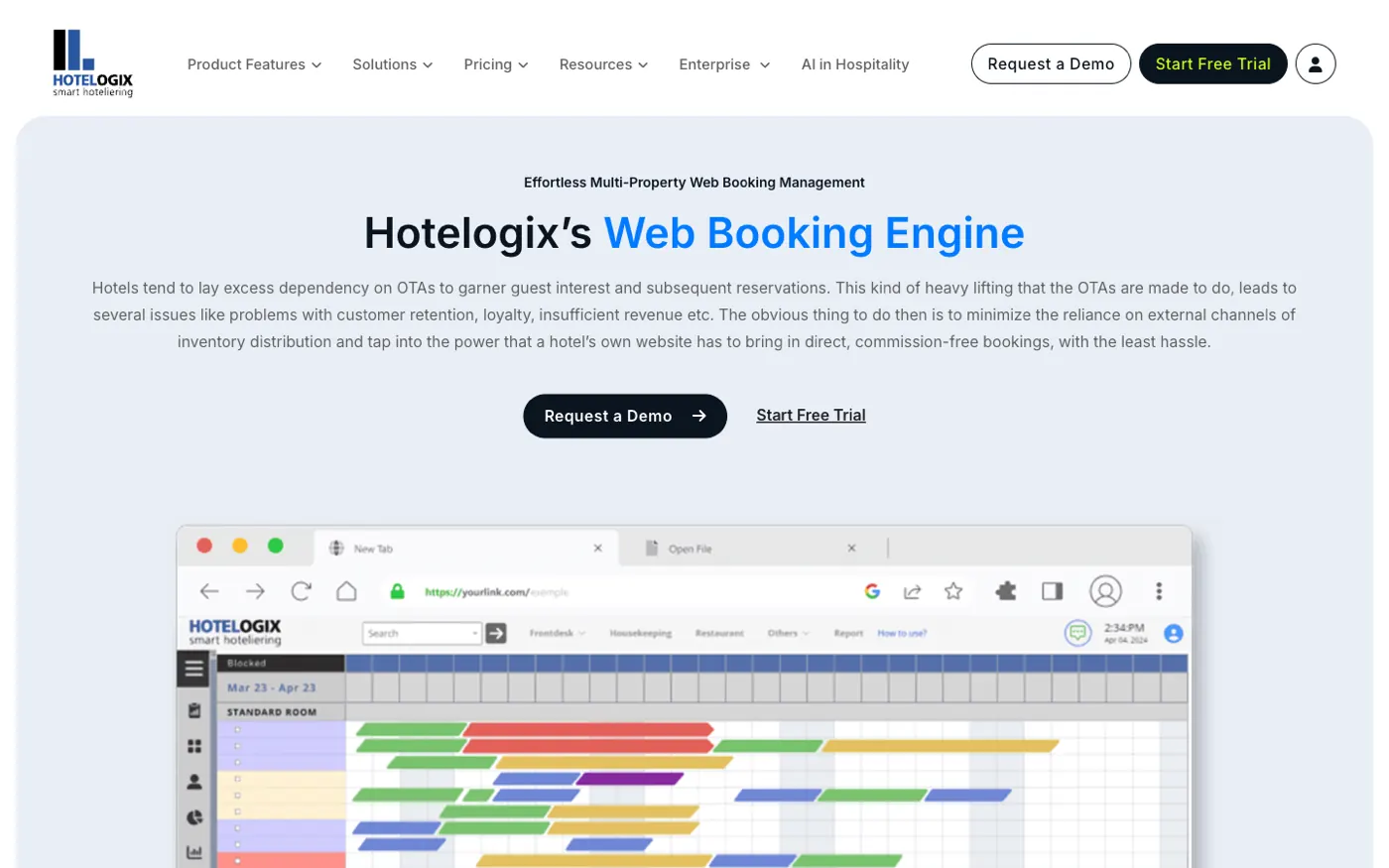
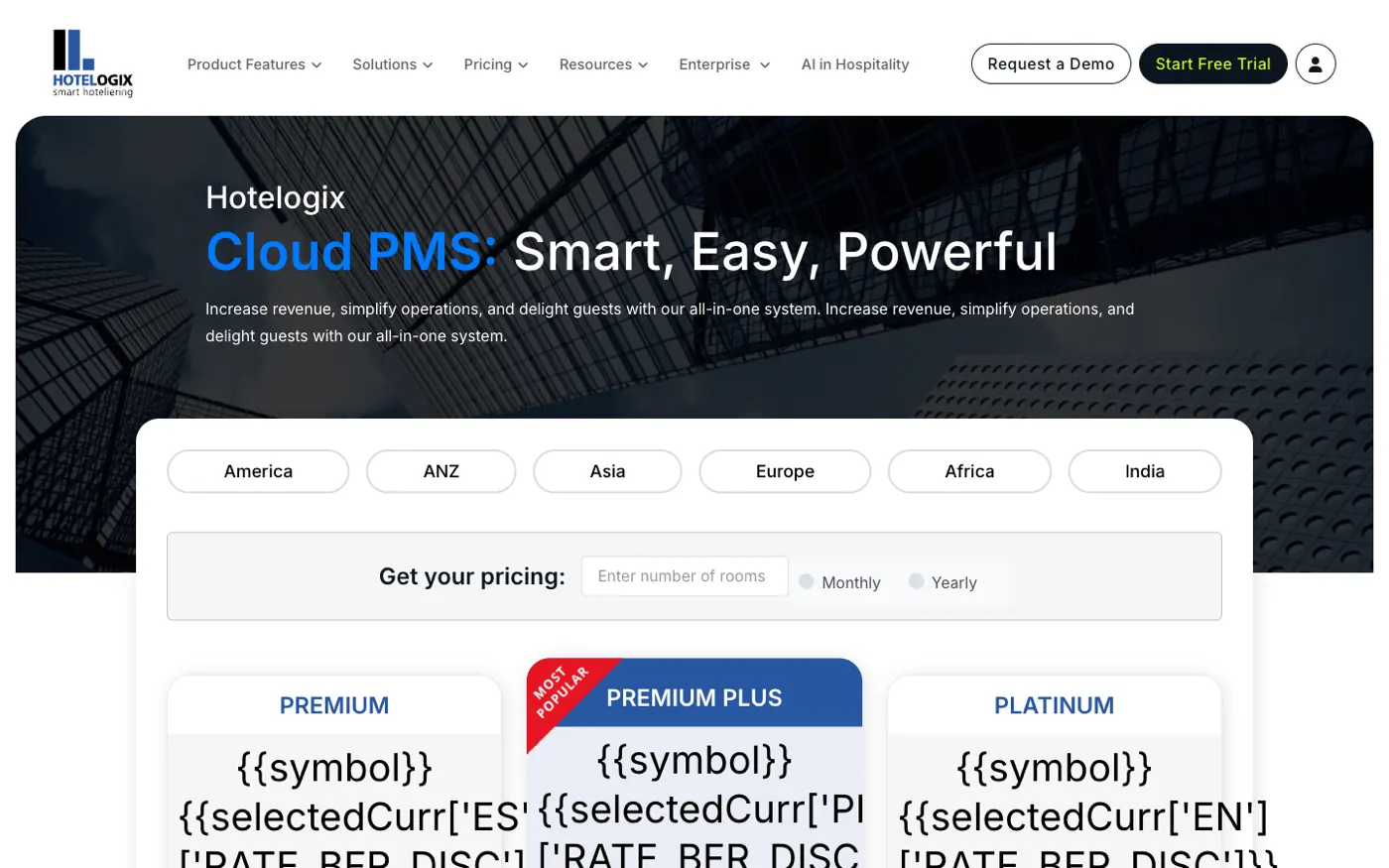
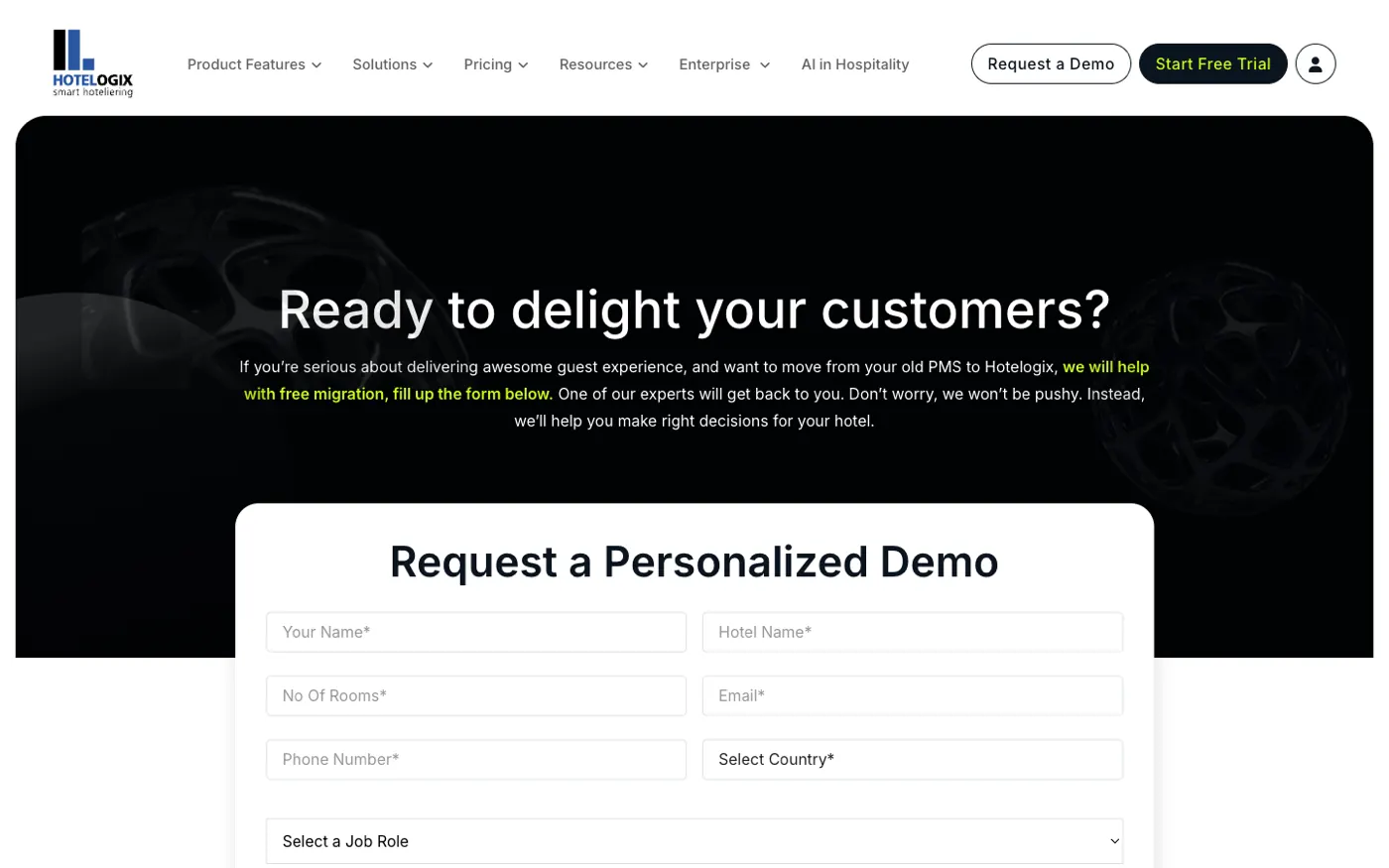
A SaaS product is also a pricing model, a trial funnel and a demo pipeline. We built the subscription tiers (independent properties vs multi-property groups) into the platform, and the WordPress marketing site that feeds it — landing pages, pricing tables and demo-request flows the sales team iterates on without touching the product.
The Technology Stack
- Node.js services — event-driven backend for concurrent, I/O-heavy PMS operations
- Real-time inventory core — one source of truth for rooms, rates and availability across every channel
- Multi-tenant SaaS architecture — one platform, thousands of properties, tiered subscription plans
- WordPress marketing site — content, pricing and demo funnels managed independently of the product
The two-site pattern — product on Node.js, marketing on WordPress — is one we recommend to almost every SaaS client. Engineers own the product; marketers own the story. Neither blocks the other.
Building a SaaS of Your Own?
In our experience the hard part of SaaS is not the first demo — it is the five-year grind of tenancy, billing, uptime and integrations after it. If you're planning a platform in hospitality or any operations-heavy industry, talk to our engineering team — we've carried one from architecture to 25,000 hotels, and we'll give you an honest read on yours within a business day.